Blog · Podhale and highland cuisine
Food, history and news from Podhale
The history and traditions of highland cooking, recipes for regional dishes, new items on our menu and news from Zakopane and Podhale.
Latest entry
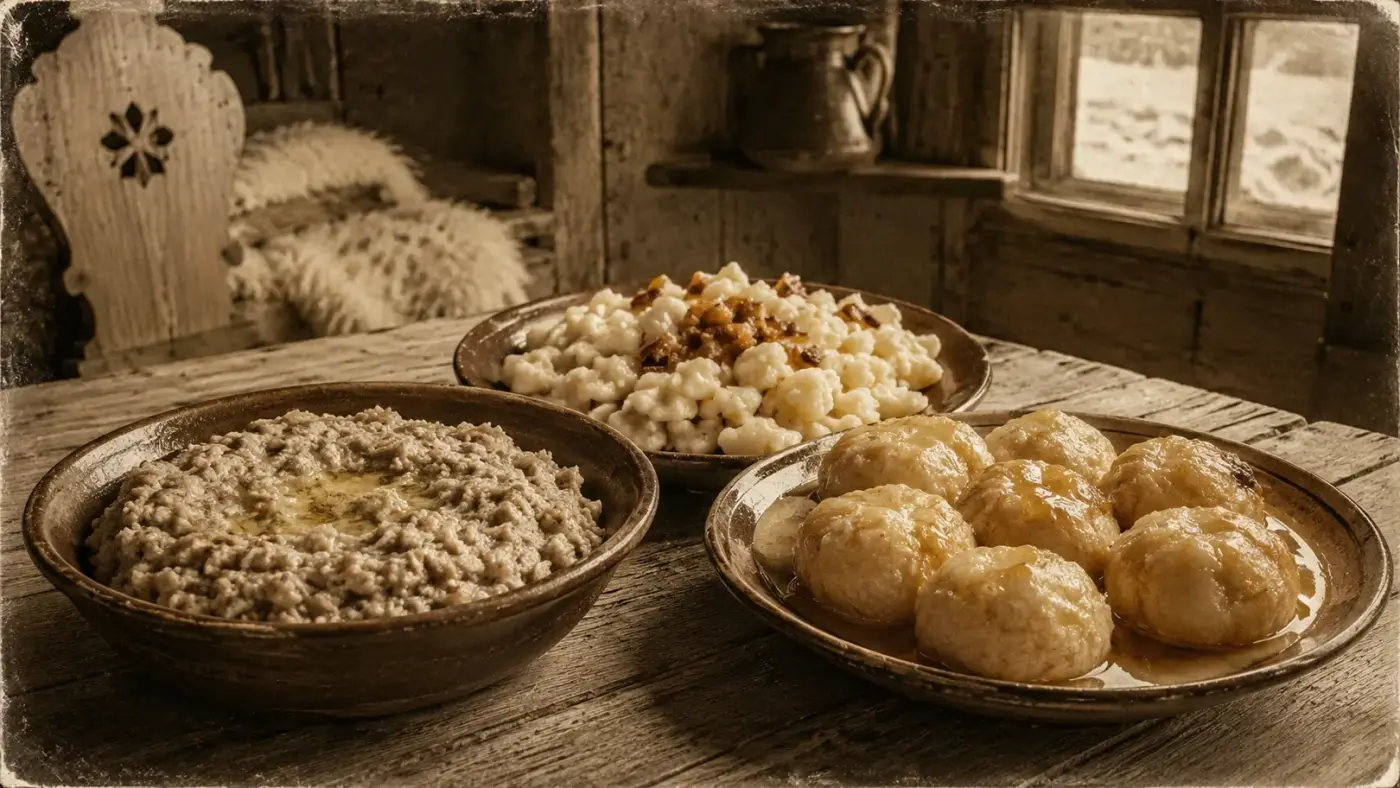
Interesting facts about traditional dishes from the Podhale region: what is no longer cooked today
Sour cabbage soup (kwaśnica) Oscypek sheep cheese, and others are still going strong, but many of the traditional highlanders’ dishes have quietly disappeared from tables in the Podhale region. Some were eaten daily for generations, yet today you’d be hard-pressed to find them in local taverns. We’ve compiled a few tasty tidbits about dishes and customs that have faded away or are now cooked only very rarely.
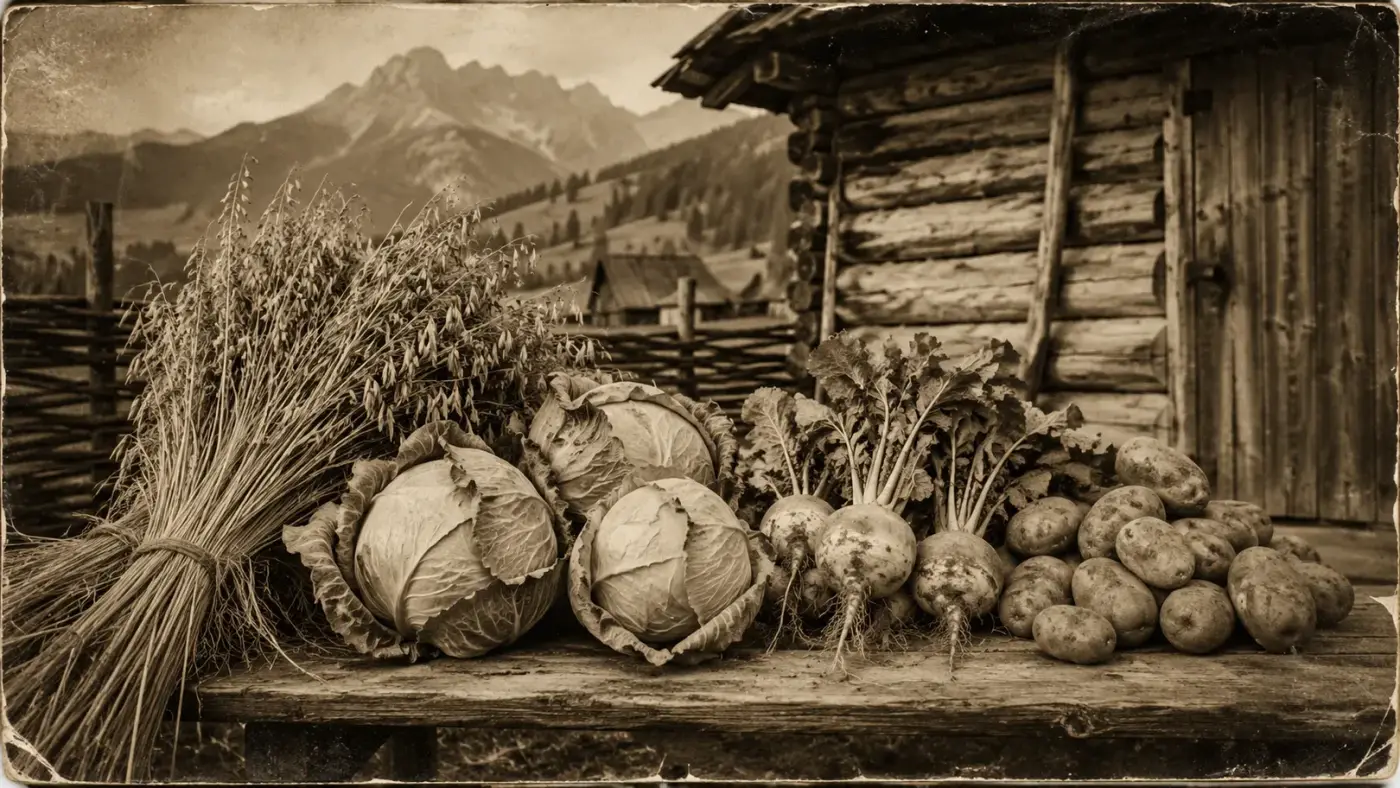
What was grown in Podhale: oats, potatoes, cabbage and other highland crops
Farming in Podhale has always been a struggle against nature. The short summer, the cold and the stony soil meant that the highlanders could only rely on truly hardy crops. It was these crops that determined what would end up in the pot. Let’s take a look at exactly what grew in the fields of Podhale and why these particular crops have survived for centuries.
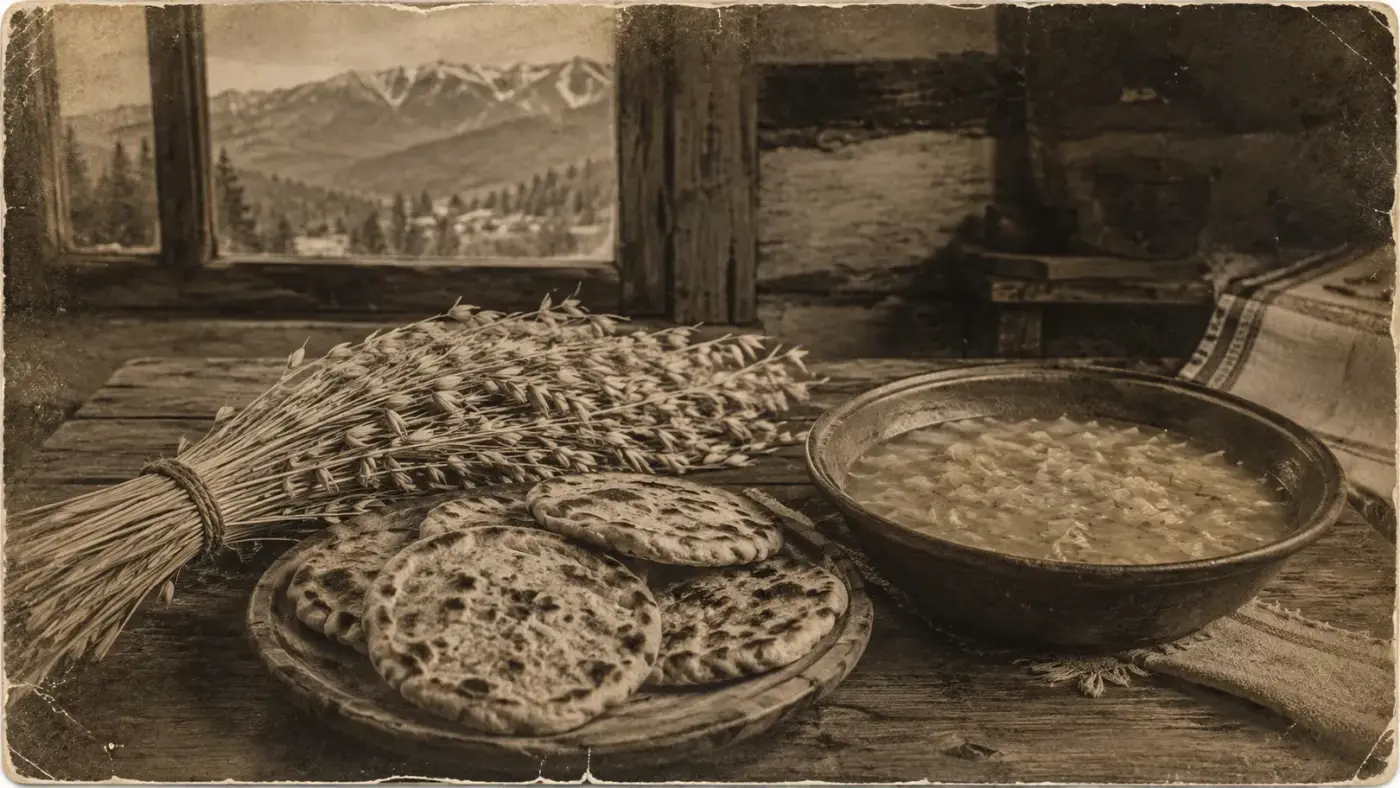
What people ate in Podhale 200 to 300 years ago: the daily diet of the highlanders
If you were to go back 200 or 300 years and sit down at the table in a highlander’s cottage, the menu would take you by surprise. No grilled oscypek with cranberries, no portion of lamb on your plate. The highlanders’ everyday cuisine was the cuisine of poverty: simple, repetitive and entirely dependent on what could be grown on the stony soil. Here’s what the traditional highlander’s table really looked like, according to ethnographers’ records.
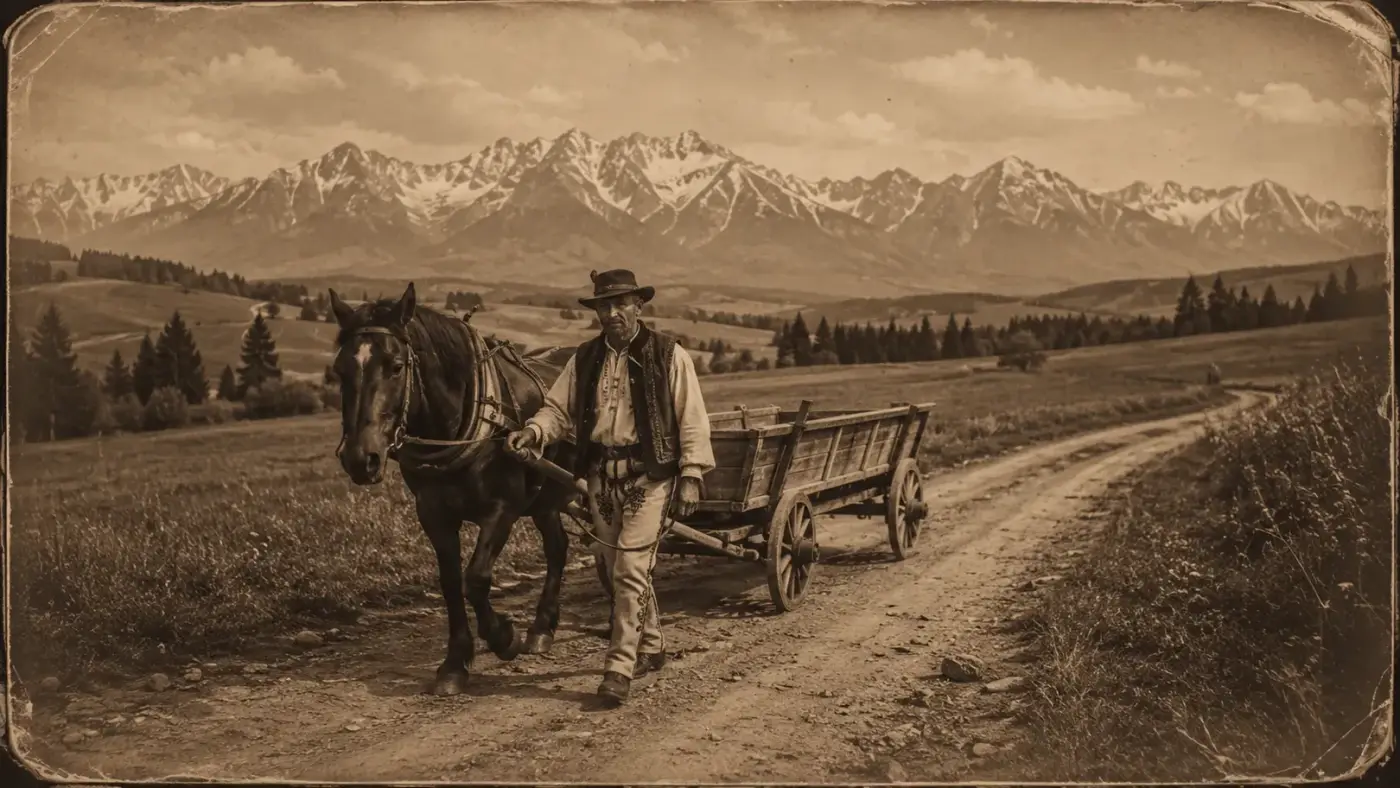
Why people used to travel to Nowy Targ for bread: the history of baking in Podhale
For us, a loaf of bread is an everyday staple, bought just round the corner. For the highlanders of old, real bread was a rarity that one had to set out to find, usually as far as Nowy Targ. Why, in a region where food was made from what people grew themselves, did bread in particular have to be obtained from outside the home? The answer lies in the mountain climate and in the history of Podhale’s oldest market town.
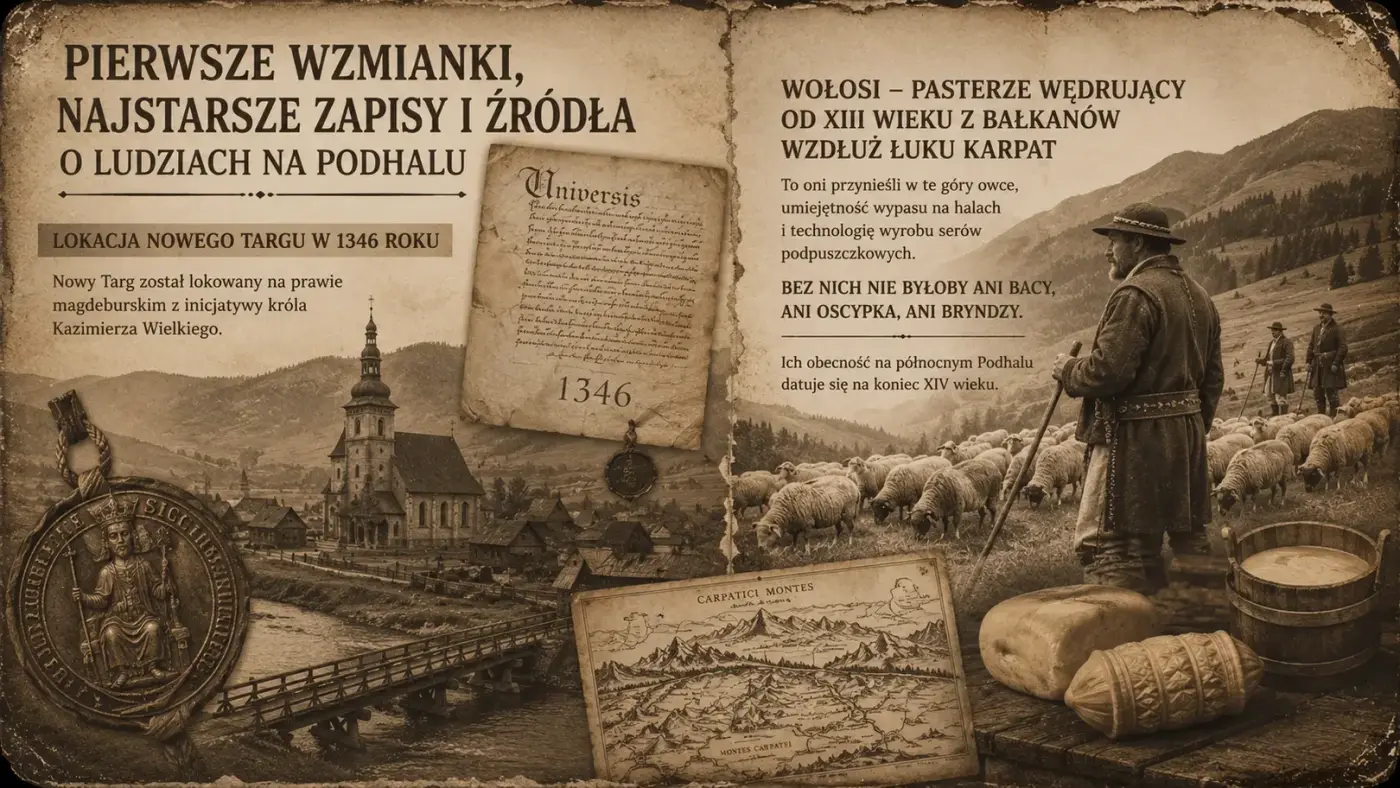
The history of Podhale cuisine: the earliest references, the oldest records and sources
When you sit down at a table in our restaurant, you’re eating something with several hundred years of history behind it. But how do we know what the highlanders used to eat before anyone was taking photos of plates or writing food blogs? The answer lies in old documents, manorial records and travellers’ diaries. We’ve gathered for you what has actually been recorded, and we show you where we tread with confidence and where we tread with caution.
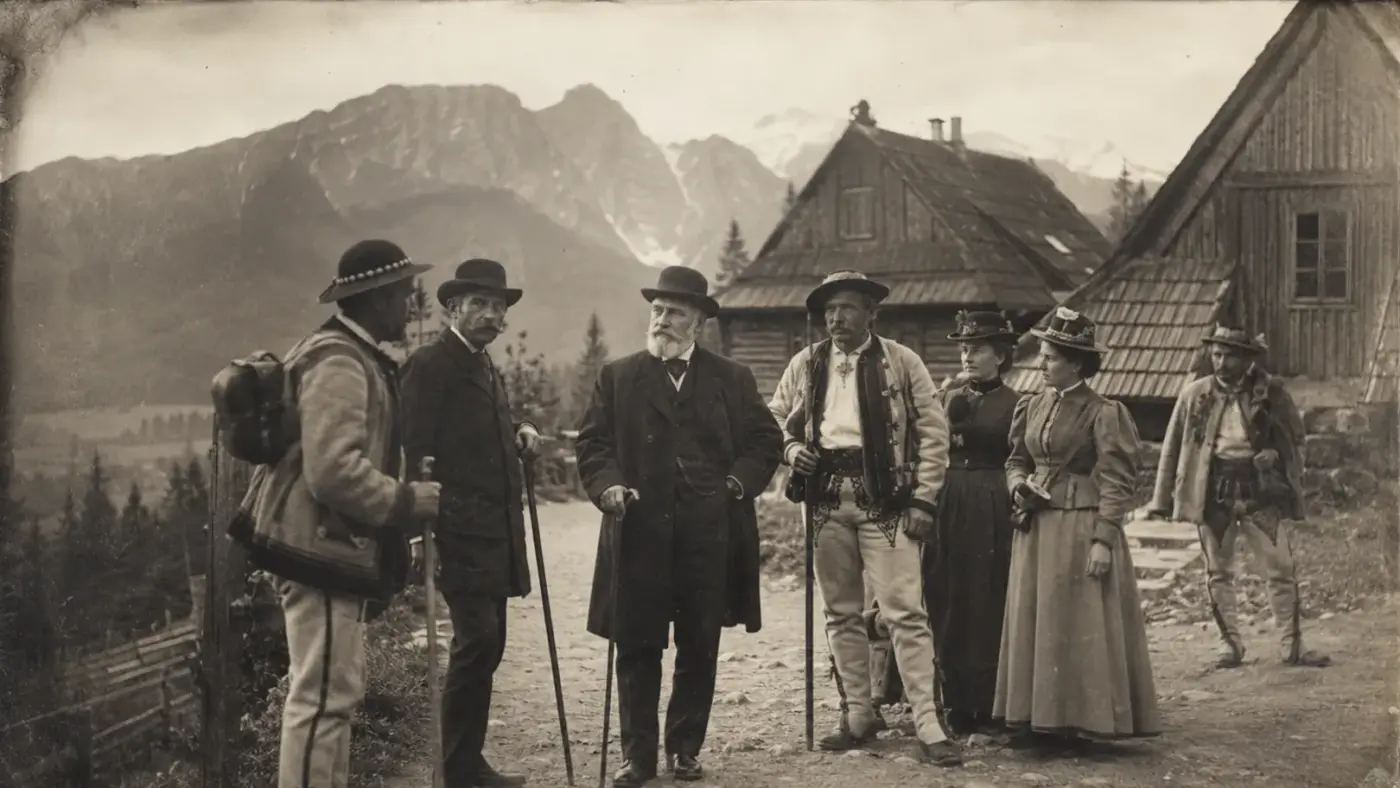
How tourism and the development of Zakopane have changed highland cuisine
As recently as the 19th century, the highlanders’ cuisine was that of a poor people, based on oats, cabbage and dairy products. Today, hot oscypek sheep cheese with cranberries and a bowl of kwaśnica are the region’s signature dishes, drawing in crowds of visitors. What happened between these two pictures? The short answer is: tourism. It was visitors from the city, and in particular the growth of Zakopane, that transformed the highlanders’ cuisine. Here’s how it came about.
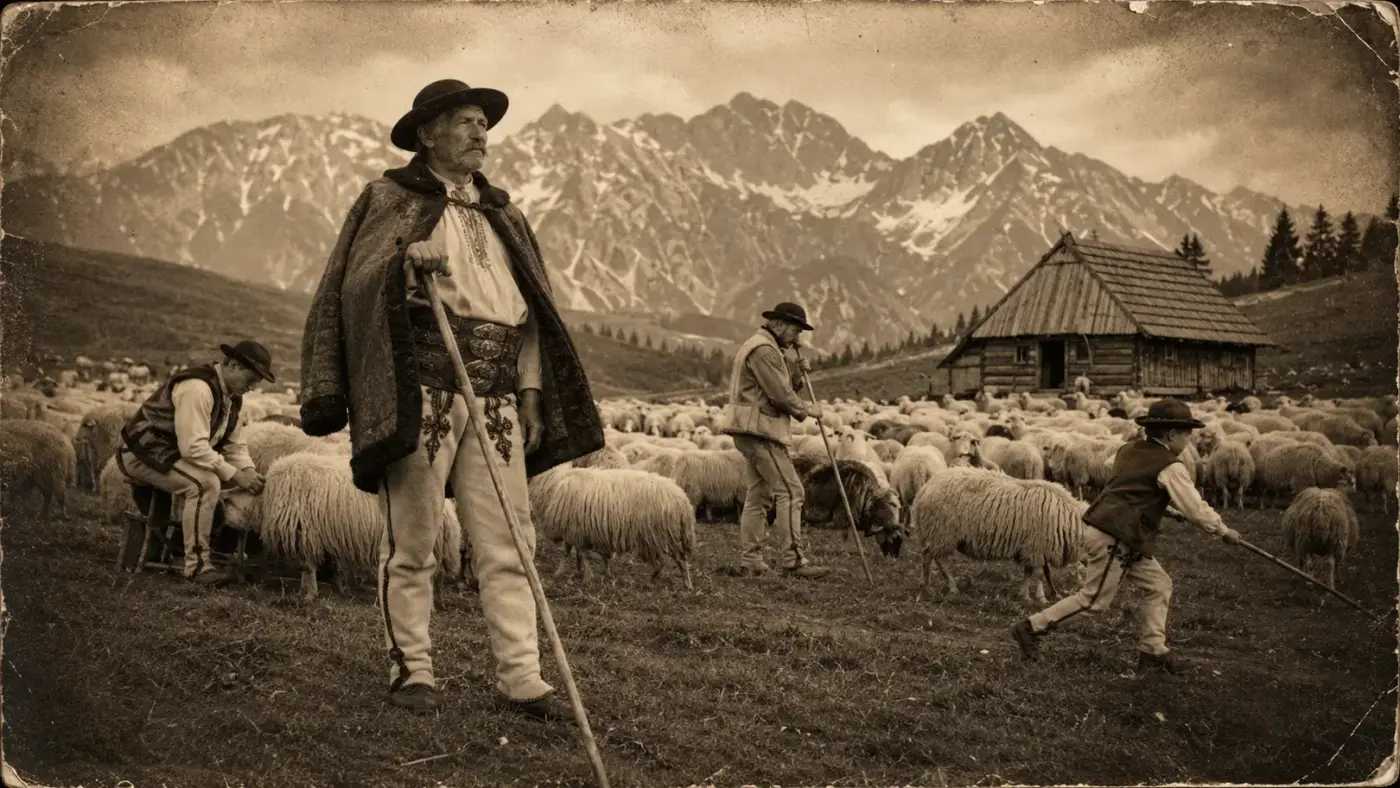
What animals were reared in Podhale: sheep, cows and their influence on the local cuisine
Without animals, there would be no highlander cuisine as we know it. It was sheep and cows, not fields, that provided the most important products: milk, cheese and fat. Livestock farming in Podhale, however, had its own, strictly organised world, in which every animal and every person had their own role. Let’s take a look at what was reared and how, and how this translated onto the plate.